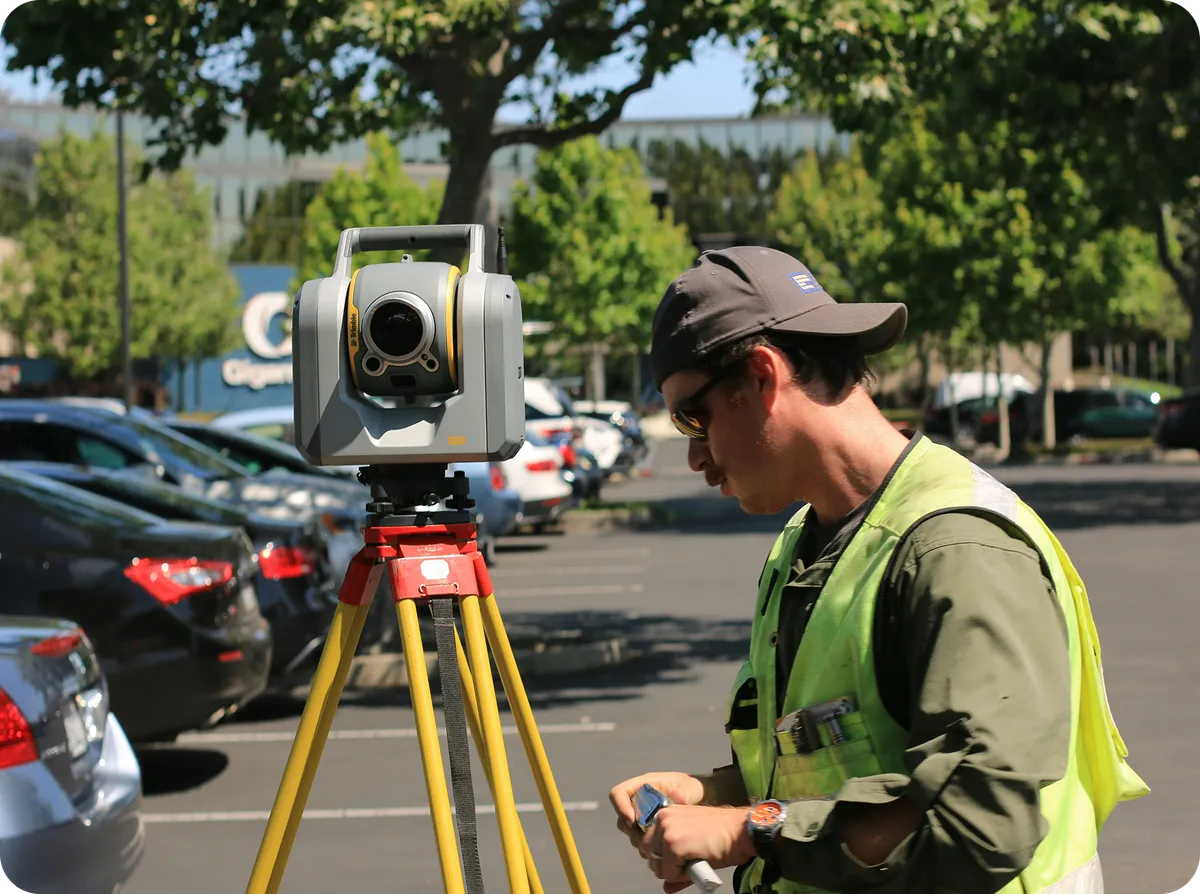
GPR, or Ground Penetrating Radar, represents a advanced technology that has changed the manner we explore what lies beneath the exterior. In the Yorkshire region, given that the terrain and infrastructure are both full in history and complexity, GPR surveys are playing a vital role in various sectors from construction to the study of ancient cultures. As projects increasingly require exactness in identifying subsurface features, the significance of GPR surveys is undeniable. This article examines the multiple applications of GPR in Yorkshire, focusing on its significance in boosting security, effectiveness, and accuracy in construction and site management.
Whether you are a project manager, a contractor, or part of a heritage conservation team, understanding how GPR functions and in what situations it's necessary can give invaluable insights. From locating unmarked utilities to ensuring compliance with community requirements, GPR surveys are integral in preventing costly errors and improving the overall outcome of initiatives. Join us as we explore the important elements of GPR surveys in Yorkshire and how they are transforming the domain of subsurface investigation.
Understanding GPR as well as Its Applications
Ground Penetrating Radar, also known as GPR, is a non-destructive geological survey method that employs radar signals to image the subsurface. This technology is particularly important in the Yorkshire region, as the multifaceted geological makeup can obscure a number of underground structures and utilities. Through the emission of electromagnetic waves into the ground and studying the reflected waves, this technology can reveal the locations of hidden objects, variations in material properties, and layering without the requirement for significant earthmoving.
Ground Penetrating Radar is commonly used in various construction and engineering projects, providing critical information before any ground disturbance takes place. It is instrumental in finding plastic pipes and cables, that are frequently not included in standard utility maps. Additionally, this method is useful for identifying disused mine shafts and underground voids characteristic of South and West Yorkshire. Understanding the unique applications of GPR enables project managers and contractors to make informed decisions and reduce risks associated with building underground.
The relevance of Ground Penetrating Radar extends beyond building projects. It has significant applications in archaeology, allowing researchers to map unmarked burial sites and historical features without disrupting the ground. By providing clear images of what lies beneath the surface, this technology serves as a key tool for safeguarding the rich history of Yorkshire and ensuring safe and efficient preparation in current development initiatives.
Gains of GPR Studies for Construction and Historical Research
Ground Penetrating Radar (GPR) surveys provide essential information for construction projects in Yorkshire, greatly enhancing site safety and efficiency. By identifying the positions of infrastructure and other subsurface structures before excavation, GPR helps avoid costly utility strikes that can disrupt construction schedules and lead to higher project expenses. Furthermore, the use of GPR supports adherence with regulations such as the Health and Safety Guidelines HSG47, ensuring that construction teams are cognizant of and can address potential hazards associated with underground services.
In the realm of archaeology, GPR surveys offer a non-intrusive method of detecting subsurface structures, artifacts, and even hidden burials. This technology enables archaeologists to chart historical sites precisely without disturbing the soil, thereby preserving the integrity of these important cultural resources. In regions like Yorkshire's northern areas, where preservation of heritage is crucial, GPR surveys provide critical data that guides excavation strategies and enhances the understanding of site dynamics, contributing to more informed decision-making in archaeological fieldwork.
Furthermore, GPR's ability to produce detailed images of subsurface features enables project managers and archaeologists to see concealed structures and anomalies. PAS 128 Surveys Middlesbrough Yorkshire in creating comprehensive documentation and presentations that help stakeholders understand the full scope of what lies beneath. By combining GPR findings with other technologies like topographic mapping and three-dimensional scanning, professionals can create detailed models that enrich both building design and archaeological interpretation, further demonstrating the flexibility and importance of GPR in diverse applications.
Pricing and Factors for GPR in Yorkshire
When preparing for a GPR survey in Yorkshire, understanding the associated costs is crucial for budget planning. The cost of a Ground Penetrating Radar survey typically varies based on several variables including the location of the site, the difficulty of the subsurface conditions, and the size of the area being surveyed. Surveys in city locations or locations with known challenges often require more detailed work and consequently higher costs. On average, clients should expect to budget for cost estimates that reflect these variables.
In addition to costs, it is essential to consider the specific needs of your project. For example, if the objective is to identify utility lines or assess ground conditions before construction, it may be advantageous to combine GPR data with other techniques such as electromagnetic detection or site mapping methods. This comprehensive approach not only increases the accuracy of the findings but can also save time and minimize the risk of potential project delays caused by utility strikes or unexpected subsurface conditions.
Finally, always select a reputable GPR survey contractor familiar with Yorkshire's unique geological and infrastructural elements. Assessing their experience with localized projects and adherence to protocols such as PAS 128 can greatly affect the overall integrity and reliability of the survey results. Ask potential contractors about their methodologies, equipment used, and post-survey evaluation capabilities to ensure a positive outcome for your GPR investment.